A Complete Guide to Tile Installation Services: What You Should Know
The process of tile installation presents both rewarding and complex aspects. Homeowners often face decisions about materials and budgets, while also requiring the expertise of skilled professionals. It is essential to understand what to expect throughout this journey. Beginning with selecting the ideal tiles and extending to post-installation maintenance, various factors can influence the outcome. What obstacles might surface, and how can they be effectively managed? The responses to these questions will define the overall experience and level of satisfaction with the project.
Choosing the Right Tile Materials for Your Project
When commencing a tile installation project, homeowners often focus on choosing the right tile options. The choosing process includes various factors, including strength, visual appeal, and installation needs. Popular materials include ceramic, porcelain, and natural stone, each presenting unique qualities and limitations.
Ceramic tiles are appreciated for their adaptability and affordability, making them suitable for various rooms. Porcelain tiles, known for their strength and water resistance, are perfect for heavily used spaces and humid conditions. Natural stone, such as marble or granite, provides an upscale look but requires more maintenance and care.
Homeowners should take into account the tile's size, finish, and pattern to achieve the desired visual effect. At the end of the day, the ideal material choice can elevate the overall aesthetic and practicality of the area, ensuring the installation meets both practical needs and aesthetic preferences.
What to Expect During Your Tile Installation
Throughout a tile installation project, homeowners can expect a series of important preparation steps preceding the installation day. Being aware of what happens at the property, from the beginning setup to the hands-on tile laying process, is essential for a seamless process. This section presents these key expectations to help clients stay well-informed and confident.
Pre-Installation Setup Steps
Proper preparation is key for a successful tile installation, guaranteeing a seamless process and optimal results. It is recommended that homeowners begin by clearing the installation area of furniture and debris, creating a clean workspace for installers. Additionally, inspecting the subfloor is essential; it needs to be even and undamaged to properly support the new tile installation. Any necessary repairs to the subfloor should be completed in advance. Moreover, picking the correct tile style and pattern can affect both the visual appeal and practicality, so homeowners are encouraged to discuss options with experienced professionals. Lastly, confirming the schedule and necessary materials with the installation crew will assist in managing expectations and ensure a smooth project launch. Proper preparation lays the groundwork for an efficient installation.
What to Expect on Installation Day
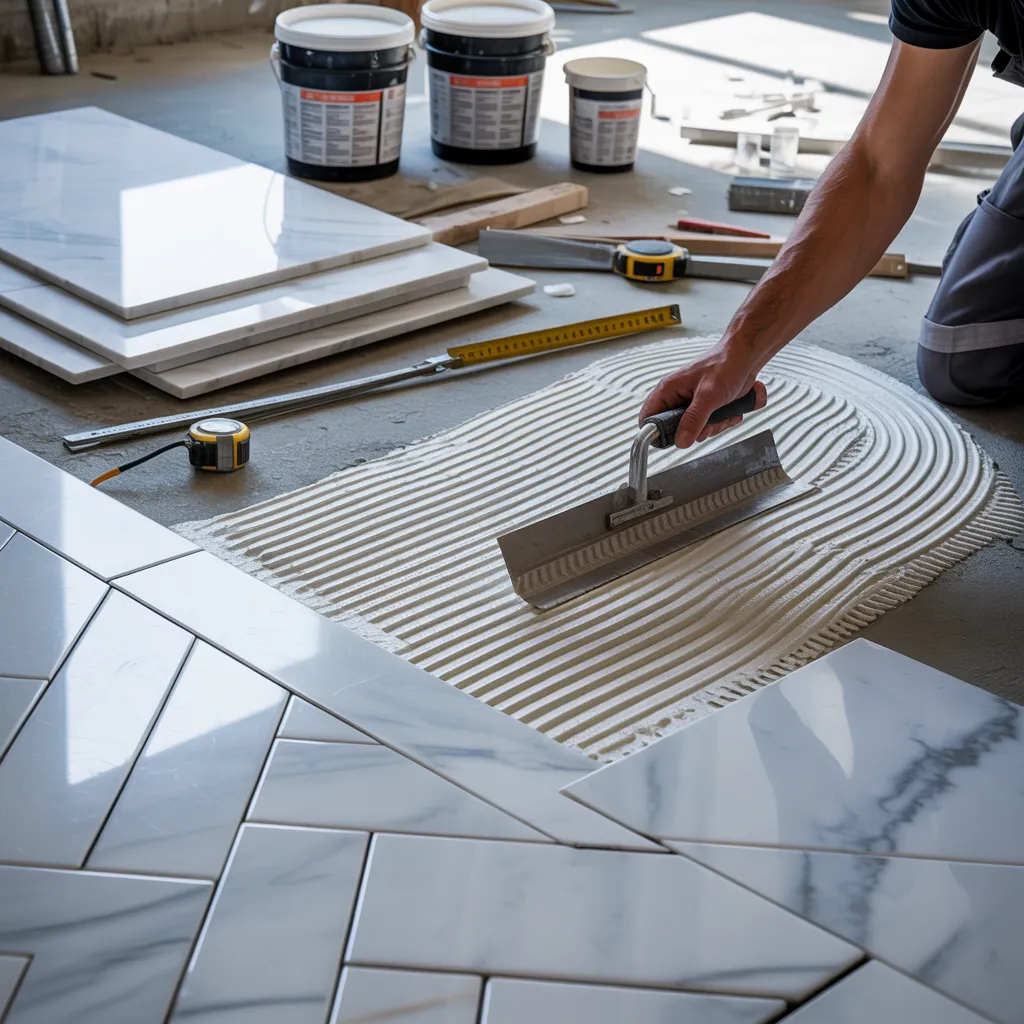
Installation day unfolds with an organized set of procedures that secure a successful tile laying process. The team of installers generally arrives ahead of schedule, carrying all essential tools and materials. They begin by preparing the workspace, making sure it is tidy and clear of any obstructions. Once this is complete, the installers will take precise measurements and mark the pattern, allowing for precise tile placement. When they start placing the tiles, they focus on maintaining even spacing and alignment, commonly employing tile spacers for greater accuracy. According to the scope of the installation, the project could span several hours in duration. Upon finishing the installation, the crew will tidy up the area and offer advice regarding the grout curing process. Clients can look forward to expert craftsmanship and meticulous care during the whole installation.
How to Select the Best Tile Installation Specialists
When seeking the best tile installation experts, how can one assure that the selected professionals have the required skills and dependability? First, researching local contractors online can yield helpful details. Feedback and testimonials from past customers frequently highlight the quality of work and professionalism.
Next, seeking various quotes allows for a comparison of services and costs, aiding in informed decision-making. It is important to ensure that the professionals are licensed and insured, as this provides protection against potential liabilities.
Additionally, requesting a portfolio of past projects can highlight the installer's skill and approach, verifying suitability for specific requirements.
In conclusion, holding interviews can be useful for assessing professionalism and communication skills, essential for a successful working relationship. By applying these measures, homeowners can successfully identify tile installation professionals who satisfy their requirements and standards.
Frequent Difficulties You Could Experience During Tile Installation
Throughout the tile installation process, several challenges can arise that could affect the final outcome. Surface preparation issues can result in an uneven surface, while tile alignment problems might result in a visually unsatisfactory finish. Addressing these challenges is crucial for achieving a professional-looking installation.
Surface Preparation Problems
Proper surface preparation is essential for successful tile installation, as it greatly influences the durability and aesthetics of the finished product. A common challenge frequently faced is the occurrence of uneven substrate conditions. Inconsistencies may cause tiles to crack or detach over time. Moreover, moisture complications can emerge if the surface is not adequately dried or sealed, leading to mold development and structural damage. Debris, dust, or old adhesive can also inhibit proper bonding, undermining the quality of the tile installation. At times, substandard leveling compounds may be utilized, leading to additional complications. Resolving these surface preparation challenges is essential for achieving a seamless and long-lasting tile installation, ultimately contributing to the overall satisfaction of the project.
Tile Alignment Problems
Subfloor and surface preparation problems are often the cause of tile alignment challenges, one of the jump in most frequently reported difficulties in tile installation. Uneven subfloors or walls can result in improperly aligned tiles, creating gaps or lippage between adjacent tiles. Additionally, improper spacing maintained between tiles can further exacerbate alignment issues. When tiles fail to follow a consistent alignment, it can disrupt the aesthetic appeal and compromise the overall integrity of the installation. Poor adhesive application may also contribute to movement during the curing process, resulting in unwanted slippage. In order to address these concerns, thorough surface preparation, exact measurements, and even spacing are critically important. Working with skilled tile installers provides assurance that accurate alignment is upheld throughout every stage of installation, delivering a beautiful and long-lasting final result.
Key Tips for Keeping Your Tiles in Great Shape After Installation
Looking after tiles once installed is crucial for maintaining their look and lifespan. Routine cleaning is essential; utilizing a pH-neutral cleaner formulated for tiles aids in preventing damage. Avoid harsh chemicals that could damage grout and tile surfaces. For day-to-day maintenance, a soft-bristled broom or vacuum can remove debris without scratching.
It is important to address spills right away so as not to cause staining, most notably on natural stone tiles. Furthermore, resealing grout lines on an annual to biannual basis provides a barrier against moisture and mildew.
You should position mats in busy areas to minimize wear. Routine checks for fractures or displaced tiles can avoid larger problems in the future. If needed, thorough professional cleaning can restore the tile's original look.
What Should You Budget for Tile Installation?
How should homeowners approach budgeting for tile installation? Having a clear grasp of the costs is critical for proper financial planning. The full project cost commonly encompasses materials, labor, and supplementary fees including underlayment or the removal of existing flooring. Tile costs typically fall between $1 and $15 per square foot, varying according to type and quality. Labor costs usually add another $5 to $10 per square foot, influenced by the complexity of the installation.
Homeowners should also consider extra expenses, including grout, adhesive, and tools. It is wise to budget a contingency of ten to twenty percent for unanticipated complications or material surpluses. Furthermore, requesting numerous bids from contractors can provide a clearer picture of the market rate. In summary, a well-researched budget will assist homeowners in making sound decisions and eliminate unanticipated financial stress throughout the tiling installation project.
Frequently Asked Questions
How Long Does Tile Installation Typically Take for a Standard Room?
Installing tiles in a typical room typically takes between one and three days, based on variables such as room dimensions, tile selection, and layout complexity. Preparation and drying time can also extend the overall process.
Can I Install Tiles Over Existing Flooring?
Tiles can indeed be placed over current flooring, given that the surface is properly cleaned, level, and structurally intact. However, proper assessment and preparation are vital to guarantee a successful and long-lasting installation.
What Kind of Grout Should I Choose for My Tiles?
When it comes to tile installations, grout options consist of sanded, unsanded, and epoxy. Sanded grout works best with wider joints, unsanded grout is perfect for tighter spaces, and epoxy offers durability and stain resistance, making it a great choice for high-moisture areas.
Should I Seal My Tiles Following Installation?
Absolutely, sealing tiles following installation is typically advised. It boosts durability, reduces the risk of stains, and offers protection from moisture. The necessity of sealing may vary depending on tile type and location, so consulting a professional is advisable.
What Are the Essential Tools for DIY Tile Installation?
When installing tiles yourself, the must-have tools are a tile cutter, trowel, level, tile spacers, grouting float, and a rubber mallet. Safety gear like protective goggles and knee pads also provides a safer and more enjoyable working experience.